Medical insurance • Evidence-based reviews

Read pet medical insurance reviews with the claim in view

Separate a documented policy benefit, a service experience and an unsupported rating before deciding what a review means for your pet.

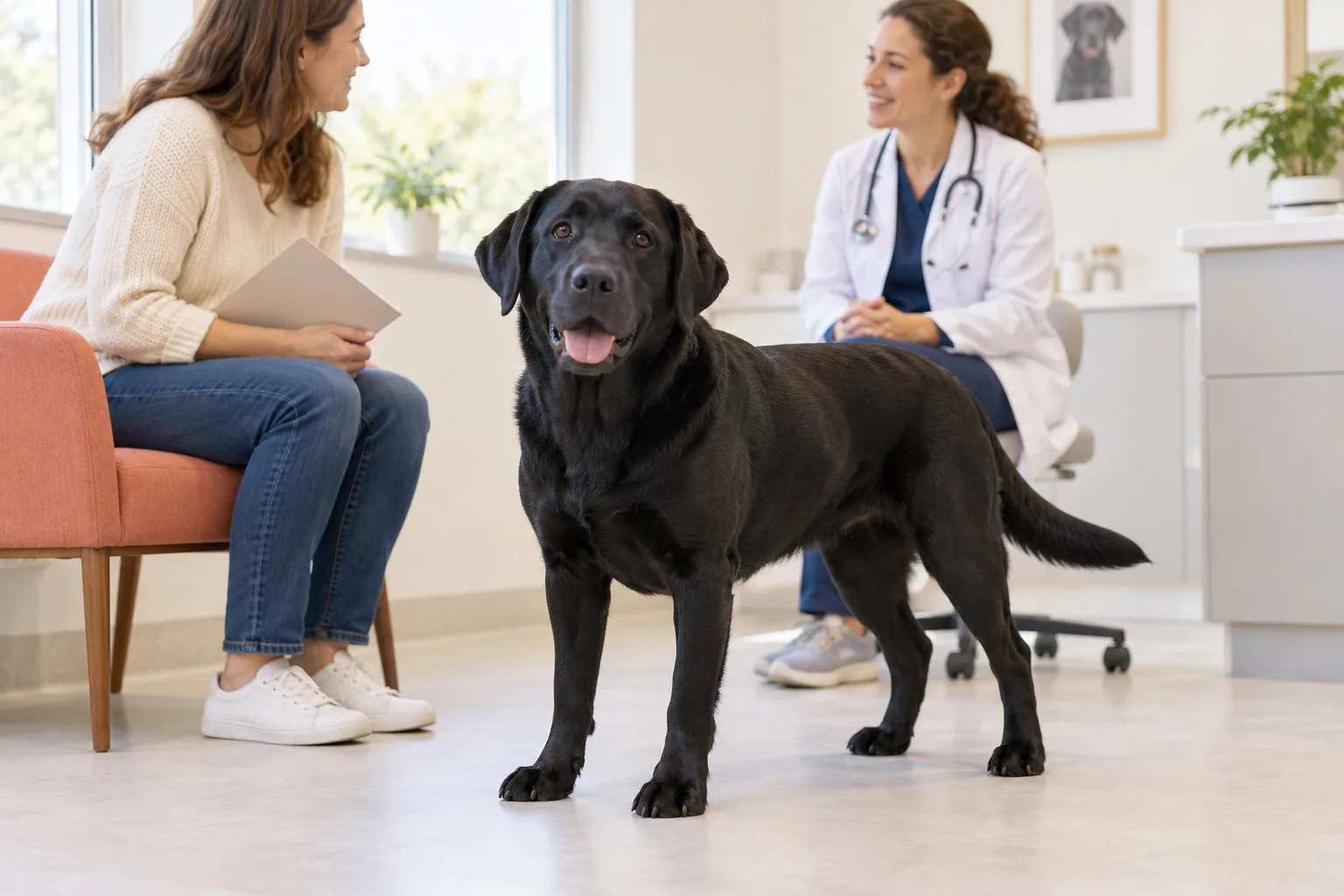
Black dog beside its owner while a veterinarian discusses care in a consultation room
✓ Policy-first ✓ Independent ✓ Useful checks
Direct answer
Useful pet medical insurance reviews explain both the medical contract and what happened when it was used. Use owner reviews to investigate specific process questions; use the offered policy to establish what care can qualify.
What to know

What these reviews can and cannot establish

We examined current official product and process descriptions. We did not purchase policies, submit test claims, independently measure turnaround times or calculate a customer-satisfaction score. The conclusions below concern documented design and questions to resolve, not a declaration that one company pays more fairly than another.

A customer account can describe a real frustration without showing the complete medical history or policy. An enthusiastic account can omit the premium, excluded charges or additional bills. Treat both as leads to investigate. The FTC advises checking a variety of sources and considering who wrote a review and any incentive; it also cautions that appearance alone cannot reliably reveal whether a review is genuine.

What to know

Three medical-policy reviews with qualified conclusions

Current insurer: inspect the assembled policy

The reimbursement approach is straightforward to describe: the owner pays and submits a claim. Optional medical extras matter, so compare the offer after selecting needed visit-fee or therapy benefits. A useful candidate if that process and configuration suit you; weaker fit if you need an established way to avoid advancing the bill.

Pets Best: distinguish flexibility from completeness

Its coverage materials offer configurable benefits, and its direct-vet option routes an eligible reimbursement to the practice after claim processing with a signed release. A useful candidate when the chosen benefits and clinic arrangement fit. Do not interpret that route as guaranteed immediate payment at checkout.

Trupanion: verify the hospital connection

Its dog-product description emphasizes direct payment at participating hospitals. That can be valuable when treatment-day funding is the constraint. Confirm the hospital can use the system and what you owe; the capability is not proof of instant approval for every claim or of universal coverage.

These conclusions are conditional on the actual state product. Benefits, options and eligibility may differ by location and version. The shortlist is deliberately limited; it is not a ranking of every US medical insurer. Ask a company to explain the part of its process that would determine your choice, rather than rewarding it for an unrelated feature.

Claims

Turn a claim story into a checkable sequence

Review statement Missing information to look for What the answer would clarify
“They would not pay” Condition, relevant history, start/waiting dates and stated exclusion Whether the dispute concerns eligibility rather than service speed
“They paid less than promised” Eligible subtotal, deductible, percentage, limit and excluded line items Whether the comparison used the full invoice or the covered portion
“The claim took ages” Submission date, missing records, requests, decision and payment dates Where the delay occurred; one elapsed total does not explain it
“The process was easy” Whether this was a first claim, renewal, purchase or just quote request Which part of ownership the positive experience actually tested

Do not demand someone else’s private veterinary records to evaluate a public review. The practical use is to ask your own prospective insurer how it would handle a comparable question. When key facts are absent, label the story incomplete instead of deciding the company or customer must be wrong.

Look for recurring, specific process concerns across more than one source. Even then, do not convert a small set of anecdotes into a claim-approval percentage. Reviews are self-selected, and the number of posts is not the number of insured pets or claims.

What to know

Make sure the review concerns the policy you can buy

A familiar brand name may cover different forms, underwriters or enrollment periods. Pets Best directs readers to the actual underwriting company and policy effective date when explaining claim calculations. If a review’s formula differs from your offer, first check whether both people are describing the same version. Do not assume a numerical disagreement proves mispayment.

International reviews need another check. A policy issued for a resident in another country is not interchangeable with a US policy that permits treatment while traveling. Confirm where you may enroll, which veterinary locations qualify and how foreign invoices would be handled. Do not infer worldwide eligibility from the word “international” in a review title.

Bring the evidence back to your own decision: legal insurer, offered state form, desired medical benefit, ability to fund the bill and a clear claims route. If a review helps you resolve one of those points, it has done useful work. A star average by itself has not.

Evidence

Sources and policy context

These public references support the consumer or veterinary context. Named insurer details were checked in official product materials; the policy offered for your pet and state determines the actual terms.

Next step

Compare Current Pet Insurance Rates

Check current options for your pet and location, then compare the policy details, exclusions, costs, and eligibility before choosing.

Compare the policy before you choose Check the actual offer, exclusions and out-of-pocket terms.
See Rate Options